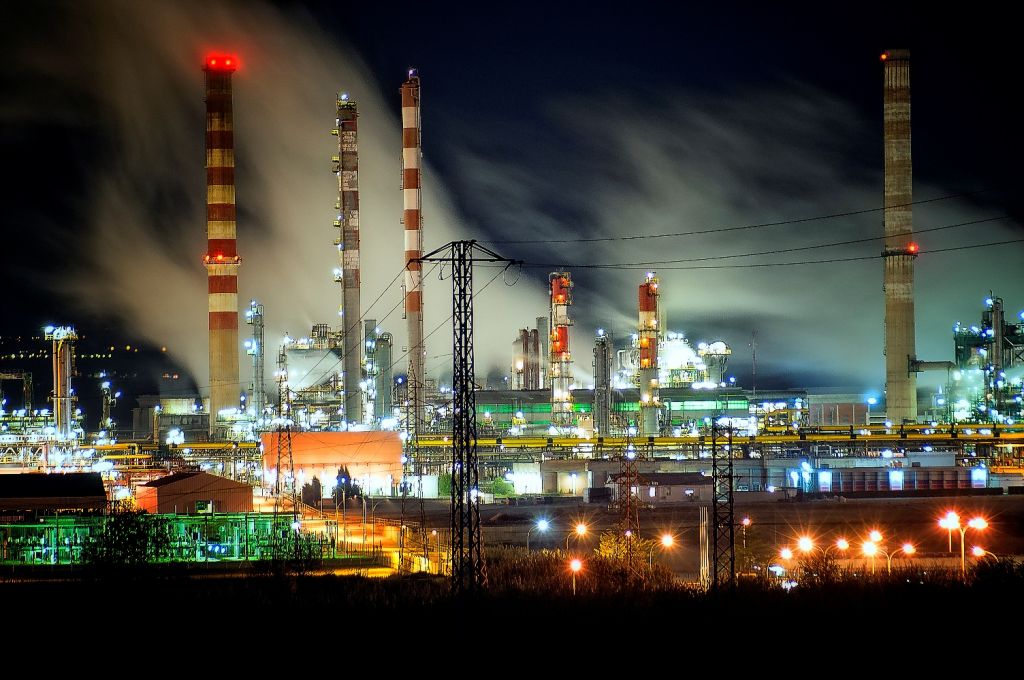




The 16-week Strait of Hormuz disruption is over, at least in its acute form. Crude oil prices are receding following the US-Iran deal to reopen the strait. And yet Goldman Sachs commodity strategist Samantha Dart and her team are not standing down. Their message, in plain terms: the case for commodities in strategic portfolios is not weaker now that the energy shock is fading. It is, if anything, more compelling — and increasingly tilted away from oil toward metals and power.
A Second Energy Shock in Five Years
The Hormuz disruption was no ordinary market event. By May, three months into the conflict, crude oil and oil product prices had rallied 43% and 63%, respectively, against pre-conflict levels. European gas and Asia LNG prices surged 50% and 70%. Broad commodity returns outpaced both equities and bonds year to date, though with higher volatility — a tradeoff the Goldman team views as acceptable given the inflation-hedging value delivered precisely when portfolios needed it most.
Dart notes the upside was contained by an unexpectedly flexible global market, particularly the sharp pullback in Chinese LNG and oil imports in the early months of the conflict. Even so, the macro damage was real: Goldman economists now project global GDP growth at 2.4% for 2026, 0.4 percentage points below 2025. Had the conflict extended significantly longer, the team estimates the drag could have reached 2 percentage points below pre-war projections.
Three Regimes, Three Hedges
One of the report's sharpest analytical contributions is its taxonomy of inflation regimes and the commodity instruments best suited to each. Not all commodities hedge all inflation equally well — a point illustrated by gold's sharp selloff during the Hormuz spike, when higher inflation led markets to price in Fed rate hikes, raising the opportunity cost of holding a non-yielding asset.
The framework Goldman advances is worth internalizing: late-cycle inflation calls for cyclical commodities, particularly oil and industrial metals, as inventory depletion drives prices higher. Supply disruption calls for a broad commodity basket, excluding precious metals, because the source of the shock is inherently unpredictable and diversification is the most robust defense. Institutional credibility risk — when markets lose faith in the fiscal or monetary framework itself — is gold's moment. Dart states the case plainly: "Gold hedges a narrow inflation regime: when inflation expectations rise due to concerns around institutional credibility or macro policy, causing bonds and equities to sell off together in real terms."
Copper: Strategic, Not Cyclical
The most structurally interesting part of the Goldman analysis concerns copper. The team has lifted its end-2026 and average 2027 LME copper forecasts to $13,735 and $13,800 per tonne, respectively, following a brief all-time high above $14,000/t in May. By 2035, Goldman sees $15,000/t as the price needed to keep aging mines operating, lift scrap collection rates, and incentivize new mine development.
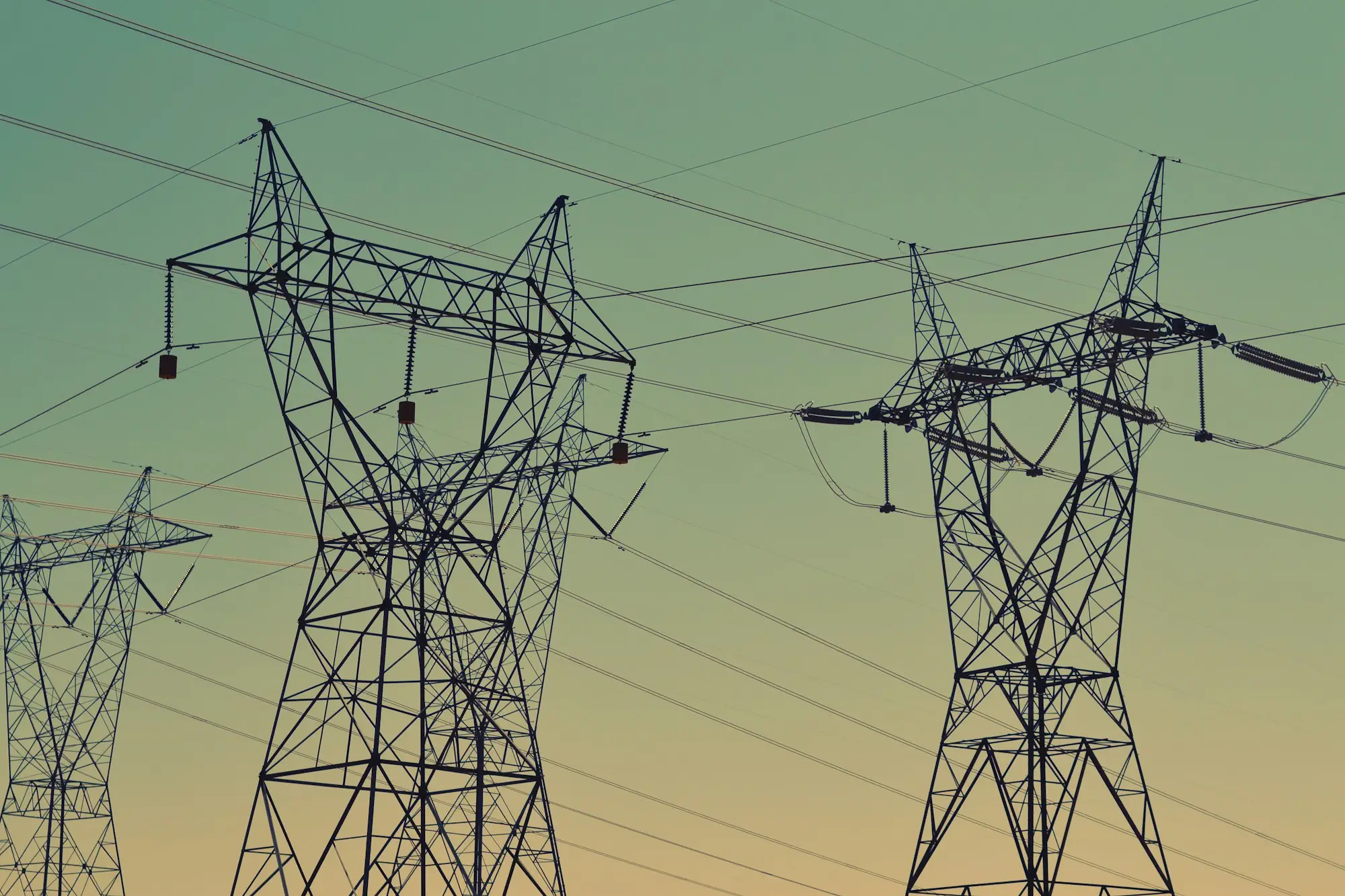
What makes this view distinctive is the characterization of copper demand as increasingly strategic rather than cyclical. The Goldman team projects that grid and power infrastructure will drive over 60% of copper demand growth through 2030, alongside defense, electric vehicles, renewable generation, and data centers. The implication is significant: copper has become less sensitive to economic slowdowns and high prices than traditional demand sources such as construction and white goods. Supply, meanwhile, faces structural headwinds as mines get deeper, grades fall, and ore becomes harder to process. Policy-risk-driven flows into the US have already tightened the ex-US market into deficit this year.
Gold Is Not Done
Despite a 123% rally since 2022, the Goldman team sees further upside in gold. Their $4,900/toz end-2026 forecast rests primarily on continued emerging market central bank diversification, a trend they view as structural following the 2022 freezing of Russian reserves. A World Gold Council survey conducted between February and May found that a record 45% of central banks surveyed expect to increase their own gold reserves over the next 12 months. The team assumes central bank accumulation of 50 tonnes per month through 2026, easing to 40 tonnes in 2027. Near-term headwinds from a hawkish Fed and rate-sensitive ETF positioning are acknowledged, but Dart's medium-term view holds: "risks to our gold price forecast remain skewed to the upside on net."
Five Key Takeaways for Advisors and Investors
- Commodities belong in strategic portfolios across multiple inflation regimes, not just energy crises. The right instrument depends on the regime.
- Copper is no longer purely a cyclical bet. Structural demand from grids, EVs, defense, and AI data centers has made it a strategic allocation with a long-cycle supply constraint.
- Gold's structural bid remains intact despite near-term headwinds. Central bank accumulation is the anchor; fiscal sustainability concerns could accelerate private diversification.
- Oil's role as the primary inflation hedge is being diluted. Metals and power markets are increasingly exposed to supply-shock dynamics historically associated with energy.
- The Hormuz shock resolved more quickly than feared, but the architecture of commodity risk has not changed. Supply remains geographically concentrated across energy and metals alike.
The case for commodity diversification is not a crisis argument. It is a structural one — and it is broadening.
Footnote:
Dart, Samantha, et al. "From Energy to Metals: Why to Still Diversify Into Commodities." Goldman Sachs Commodities Research, Goldman Sachs & Co. LLC, 28 June 2026.