



When President Xi Jinping arrived in Washington last week for his first state visit in a decade, markets hoped the three-day summit might reset the trajectory of U.S.-China trade. It did not. In his weekly commentary, BMO GAM Chief Investment Officer Sadiq Adatia cuts through the diplomatic noise across three fronts that now define the macro risk landscape: trade, energy, and artificial intelligence. His verdict is consistent across all three: the headline has changed; the underlying tension has not.
A Summit, Not a Settlement
President Trump called the talks "very productive." Adatia is measured in his assessment. The only concrete outcome was an agreement to extend the bilateral trade truce set to expire in November. No game-changing announcements, no structural resolution.
The deeper issue, as Adatia frames it, is structural asymmetry. The U.S. lacks the same economic leverage over China that it exercises over smaller trading partners. And while bipartisan political support for a harder line on Beijing gives the administration cover, it also narrows the room to maneuver. "This puts the administration in a tricky situation, as they need to find a way to manufacture a win in trade negotiations while also allowing China to feel like they got what they need," he says.
China, by contrast, is playing the long game. The parallel Adatia draws is instructive: Iran's posture in the Strait of Hormuz stalemate. "The lesson from the Strait of Hormuz stalemate is that holding your position can buy you bargaining power," he notes. Beijing has applied this logic in trade. Chinese exports to the U.S. have declined under steep tariffs, but China's overall export business has expanded, redirecting toward other markets. That is the real pressure point for the U.S. side. "The Trump administration cannot afford to see a major player like China continue to shift their export business away from the U.S. and toward other countries," Adatia says. Elevated trade tensions, in his view, are not a temporary condition. They are the environment.
Diesel and the Inflation Feedback Loop
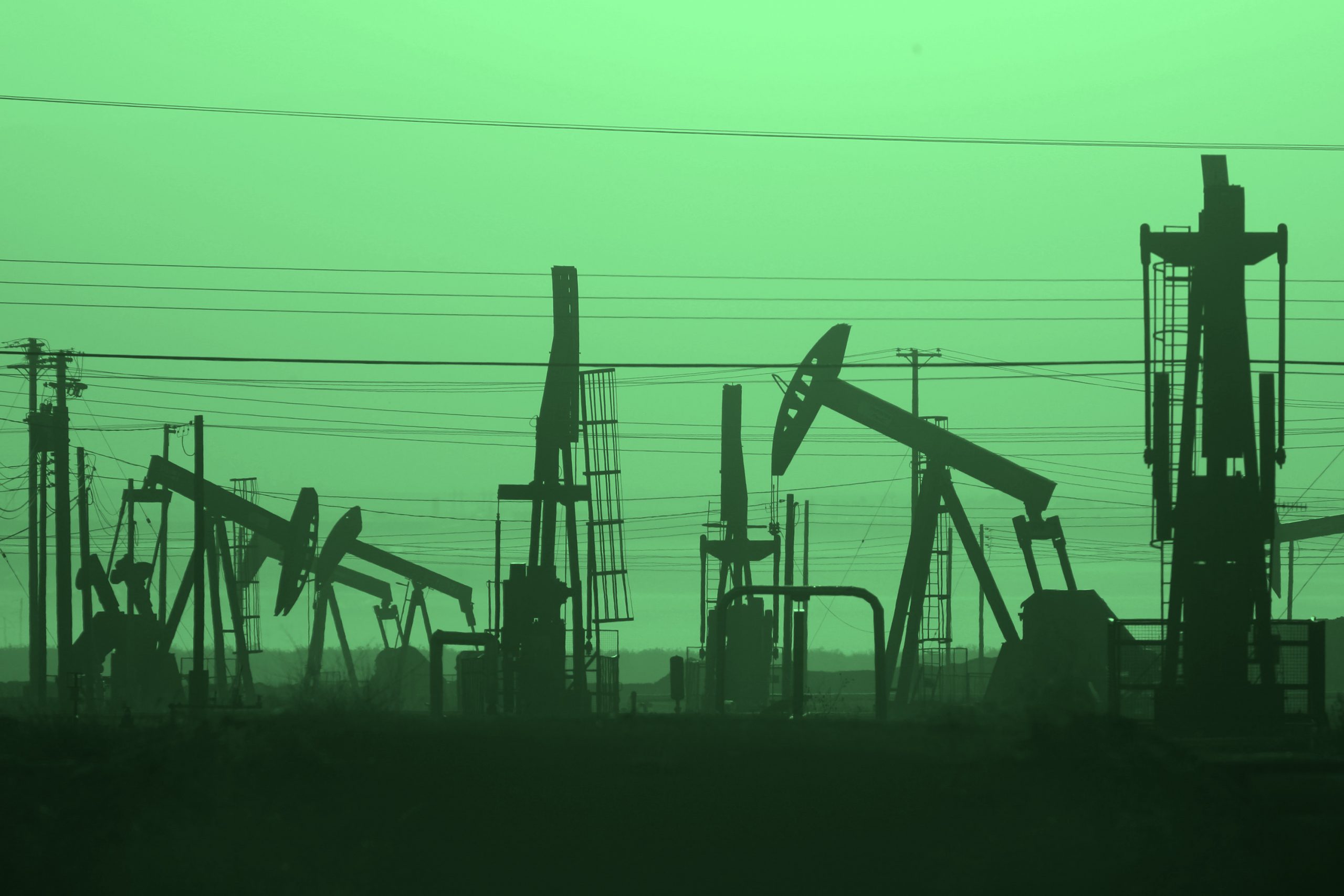
Against that backdrop, the energy picture adds its own complications. With the Strait of Hormuz standoff unresolved and the Russian invasion of Ukraine now in its fifth year, reports of diesel shortages are surfacing. Adatia takes these seriously.
Diesel is foundational: it powers the farming and mining sectors and moves the trucks and ships that carry goods globally. With prices already elevated, Adatia expects further near-term increases. The cascading effect on transportation costs, and from there on consumer prices, is the concern. "It is possible that, in some instances, we could see transportation costs exceed the cost of the goods themselves, which is obviously unsustainable," he observes.
He sees the problem as solvable, but not quickly. "It will take a combination of developments to completely put the problem to rest: a resolution to the U.S.-Iran situation on the one hand, and alternative solutions, alternative fuels, alternative transport methods, and alternative trade routes, on the other." There is also an embedded price signal at work. "At US$60-70 per barrel of oil, there's little need for companies to bother with alternatives. At US$100 per barrel, however, they have no choice but to start getting creative." Higher energy costs may thus accelerate structural transitions, including a potential tailwind for electric vehicle adoption, even as they apply short-term inflationary pressure.
AI: Hype, Risk, and the IPO Reality Check
The third front is artificial intelligence. Anthropic CEO Dario Amodei's recent public call for a slowdown in AI development sparked debate about whether regulatory headwinds could derail the theme broadly, and the closely watched Anthropic and OpenAI IPOs specifically. Adatia is not alarmed, but he is realistic. The anticipated valuations may settle somewhere below the absolute peak of their range, he notes, though demand for both offerings remains substantial.
The more significant observation is structural. "We are seeing risks in the AI space increase, especially with respect to pushback against data centre construction, questions about regulation, and the increasing cost of memory," Adatia says. These pressures are already producing rotation within the technology sector, as some investors look for diversification away from the largest and most expensive names. The real stress test comes post-IPO, once lock-up periods expire and the market forms its own view. "Only when investors' initial lock-up periods have expired will we learn whether the stocks will move up from their starting points or drop off," he notes.
Five Key Takeaways for Advisors and Investors
- Trade risk is structural, not episodic. The U.S.-China summit produced no substantive resolution. Adatia expects tensions to remain elevated, making trade risk a durable portfolio consideration, not a one-time event to fade.
- Diesel shortages will add to inflation, but the impact on profits should be marginal. While near-term inflationary pressure from transportation costs is real, Adatia views the diesel situation as a shorter-term disruption rather than a permanent supply constraint.
- Energy prices at the right level are a catalyst for structural change. Above US$100 per barrel, companies have little choice but to accelerate adoption of alternative fuels and transport methods. EV adoption could benefit as diesel costs rise.
- The AI theme is intact, but risk is rising. Regulatory pushback, data centre opposition, and rising memory costs are real headwinds. The anticipated Anthropic and OpenAI IPOs should proceed, but with valuations likely settling below peak expectations.
- China holds structural leverage, and knows it. Having diversified its export base away from U.S. demand, China is positioned to negotiate slowly. Advisors should treat a sustained U.S.-China trade standoff as the base case, not the tail risk.
Footnote:
1 Adatia, Sadiq. "Why Trade Risks Aren't Going Away." BMO Global Asset Management, 28 Sept. 2026, https://bmogam.com/ca-en/insights/weekly-commentary-september-28-why-trade-risks-arent-going-away/.