



by Ben Carlson, A Wealth of Common Sense
“The way we traditionally conceive of ignorance—as an absence of knowledge—leads us to think of education as its natural antidote. But education can produce illusory confidence.” – David Dunning
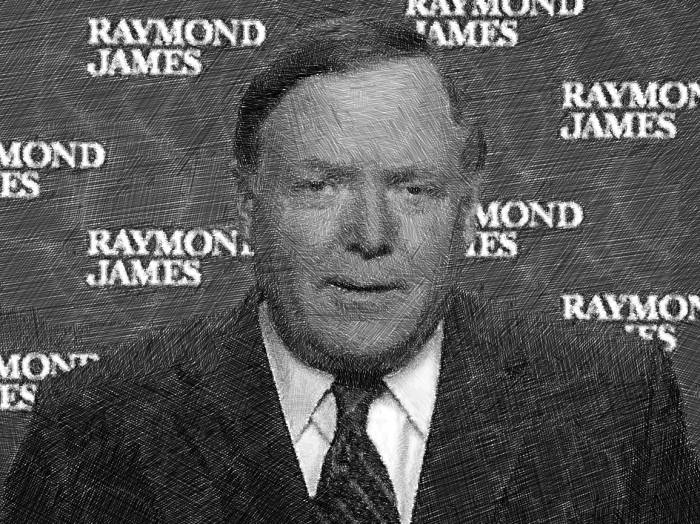
I have to imagine that having a behavioral bias named after your work is one of the highlights of the psychology profession (the Nobel prize isn’t bad either). David Dunning, a professor of psychology at Cornell University, holds this distinction for his work on the Dunning-Kruger Effect.
I first came across this cognitive bias in Daniel Kahneman’s Thinking, Fact and Slow. The Dunning-Kruger Effect shows that people do not — or cannot — recognize just how incompetent they are in certain areas of life. We have a habit of developing an irrational overconfidence which overwhelms any mounting evidence of our own ignorance.
Dunning recently wrote about his namesake bias in the Pacific Standard. The title is a good one — ‘We Are All Confident Idiots.’ One of the studies mentioned discusses a personal finance test given to people that had recently filed for bankruptcy:
The roughly 800 respondents who said they had filed bankruptcy within the previous two years performed fairly dismally on the test—in the 37th percentile, on average. But they rated their overall financial knowledge more, not less, positively than other respondents did. The difference was slight, but it was beyond a statistical doubt: 23 percent of the recently bankrupted respondents gave themselves the highest possible self-rating; among the rest, only 13 percent did so. Why the self-confidence? Like Jimmy Kimmel’s victims, bankrupted respondents were particularly allergic to saying “I don’t know.” Pointedly, when getting a question wrong, they were 67 percent more likely to endorse a falsehood than their peers were. Thus, with a head full of “knowledge,” they considered their financial literacy to be just fine.
These people were fresh off of filing for bankruptcy and they still thought they were above average at managing their finances. Unbelievable. The Jimmy Kimmel victims he’s referring to are part of an ongoing bit on Kimmel’s late-night show where they ask people on the street questions about made up subjects. Many of the respondents answer with complete confidence instead of admitting they don’t know. Here’s a pretty good one:
Here are some of the issues involved with the Dunning-Kruger Effect:
- You don’t ask for help.
- You make decisions with complete certainty, instead of considering the alternatives.
- You never admit to past mistakes or learn from them going forward.
It would be easy to blame a lack of knowledge for these issues, but Dunning says that’s not always the case:
Some of our most stubborn misbeliefs arise not from primitive childlike intuitions or careless category errors, but from the very values and philosophies that define who we are as individuals. Each of us possesses certain foundational beliefs—narratives about the self, ideas about the social order—that essentially cannot be violated: To contradict them would call into question our very self-worth.
We see this all the time in the fields of economics and investing. I saw Richard Bernstein of Bernstein Advisors give a speech at a CFA Institute conference last year and he said, “Always think like an investor, never like a politician or an economist when managing money.” Ideological beliefs often trump evidence to the contrary, even when it’s staring you right in the face. People don’t like to admit when they’re wrong, but the hurdle rate for this gets raised when it involves personal beliefs.
Plus it’s very easy to find the mistakes that other people make, but very difficult to see those same mistakes in our own actions. Everyone else is an idiot, but surely not me. Here are a few suggestions from Dunning on ways to overcome this crippling mindset:
- Be your own devil’s advocate.
- Ask yourself how you might be wrong.
- Imagine what could lead to failure based on your decision.
- Seek out advice from others.
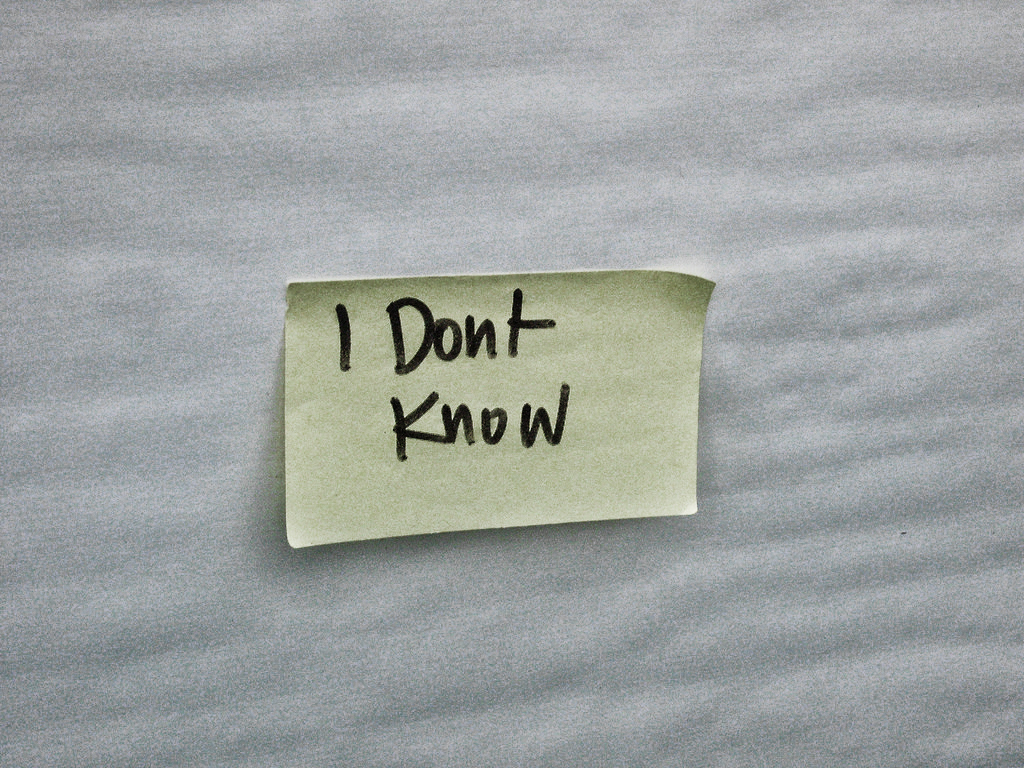
And finally, it’s not the end of the world to say “I don’t know” every once and a while:
Stumbling through all our cognitive clutter just to recognize a true “I don’t know” may not constitute failure as much as it does an enviable success, a crucial signpost that shows us we are traveling in the right direction toward the truth.
Dunning’s article is a long read but it’s definitely worth checking out:
We are all confident idiots (psmag)
Further Reading:
We’re All Smart
The Tenth Man Rule
Subscribe to receive email updates and my monthly newsletter by clicking here.
Follow me on Twitter: @awealthofcs
Copyright © A Wealth of Common Sense