





by Frank Holmes, CEO, CIO, U.S. Global Investors
Gold has always had a way of testing investors’ expectations.
Just when the headlines appear most supportive—inflation is rising, geopolitical risk is escalating and confidence in fiat currency is being questioned—gold can suddenly move in the opposite direction.
I get it. To many investors, this behavior can feel frustrating.
But for contrarian investors like you and me, these moments can also create opportunity.
Take a look at the chart below. Our 60-day percentage change oscillator for gold, measured daily over the past five years, shows the metal has moved deep into oversold territory. Historically, readings near these lower bands have represented moments of liquidation and negative sentiment. But they’ve also often marked periods when investors should begin paying closer attention.
When investors believe rates will stay elevated, yields become more competitive with gold, which pays no income. That can create short-term pressure on bullion, even when the long-term case remains intact.
There’s also the matter of liquidity. During moments of market stress, investors sometimes sell what they can, not what they want to. It can be liquidated to cover margin calls, rebalance portfolios or rotate into assets that appear to offer more immediate protection, such as energy stocks during an oil shock.
In other words, short-term selling doesn’t necessarily mean the gold thesis is broken. As I see it, it simply means investors are repositioning in a volatile environment.
The Fundamentals Remain Intact
There are many reasons why I believe the longer-term case for gold remains strong.
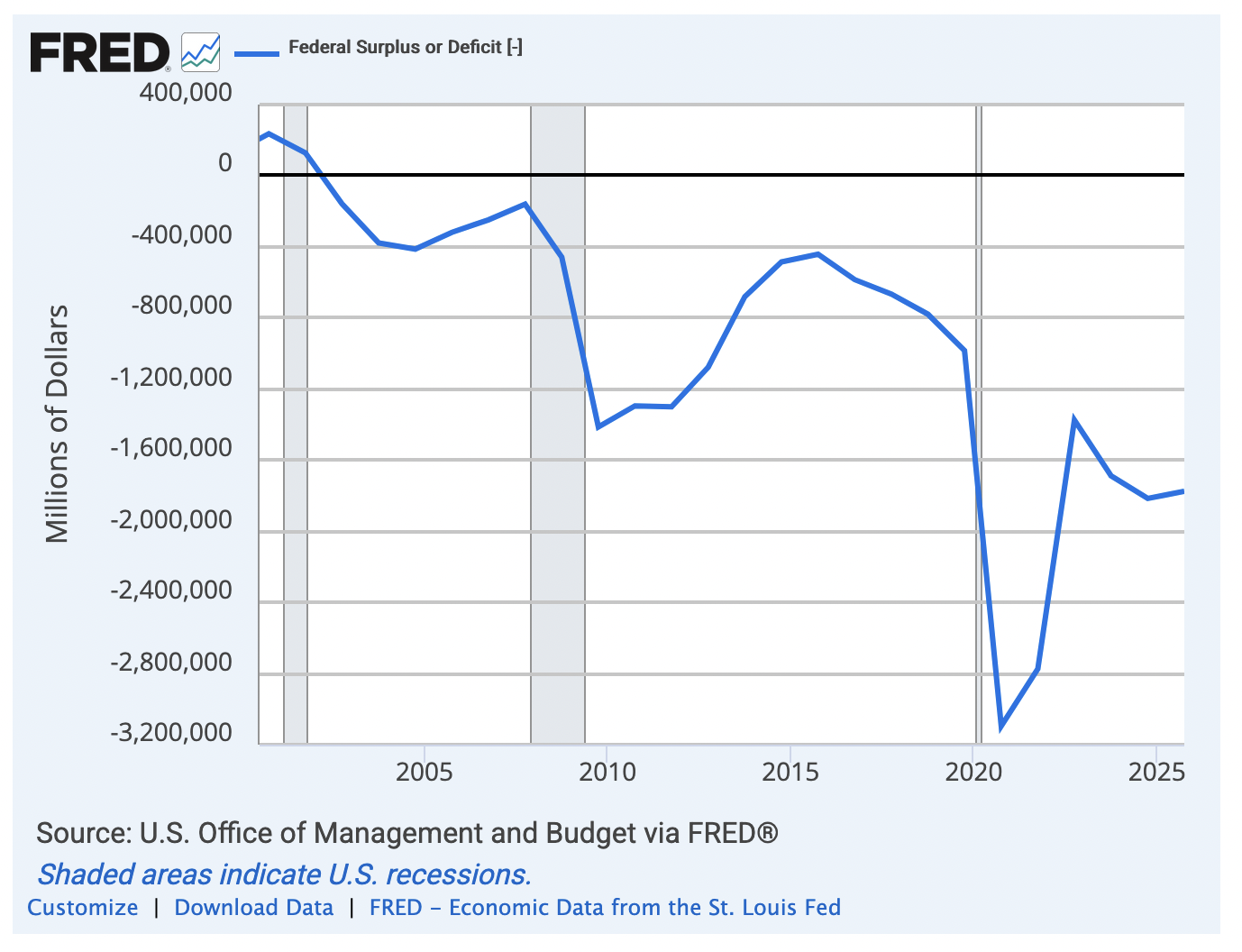
First, global debt levels remain historically high. The U.S. continues to run large fiscal deficits, and there’s little political appetite in Washington for meaningful curbs on spending.
Second, central banks around the world continue to view gold as a reserve asset. The World Gold Council (WGC) reports that institutions resumed net gold purchases in April after selling a sizeable amount the previous month.

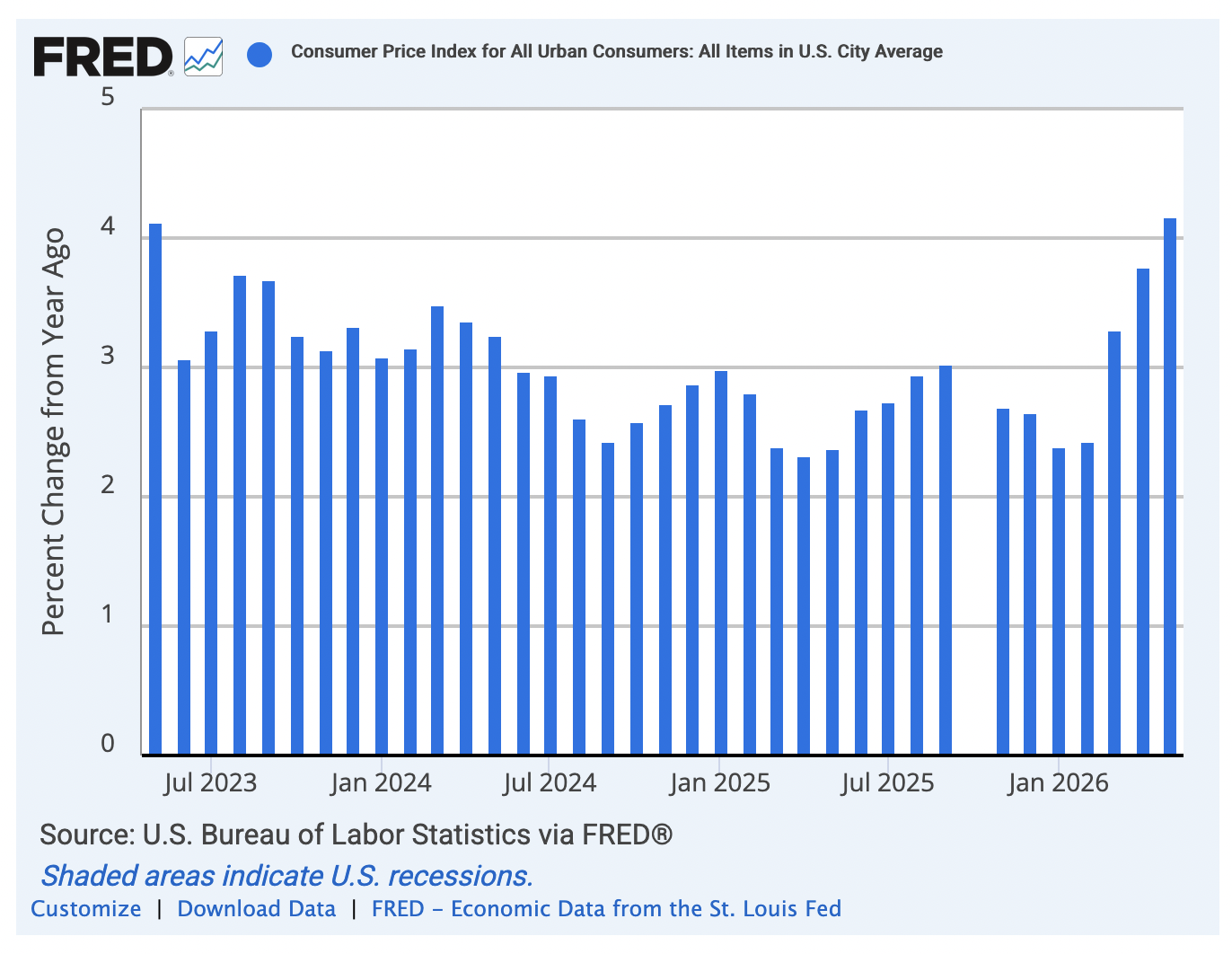
And third, inflation remains a risk. Even if headline inflation cools temporarily, the structural forces behind higher costs haven’t disappeared. Supply chains remain fragile, while energy markets remain vulnerable to geopolitical disruption.
The Contrarian Setup
A real contrarian opportunity exists when sentiment is negative, but the fundamentals remain intact. The yellow metal appears to meet those conditions today.
The standard deviation chart above gives us the technical signal. Gold is oversold on a 60-day basis relative to its own history. That suggests the recent move may be extended.
On the other hand, the macro backdrop gives us the fundamental support. Inflation, deficits, geopolitical risk and institutional buying remain in place.
The Broader Hard-Asset Story
Gold isn’t the only hard asset worth watching, of course.
Across commodities, supply constraints are becoming more visible. Take aluminum. The Midwest Premium has become a growing share of the all-in U.S. aluminum price, reflecting regional tightness and the higher cost of securing physical supply. Aluminum is currently trading around $3,500 per metric ton, but when you include the historically high premium, U.S. buyers are having to pay over $6,000, according to the Wall Street Journal. For American manufacturers, this affects everything from cars to aircraft to defense systems and infrastructure.

Doctor Copper also remains central to the global economy. The red metal is essential for electrification, power grids, data centers, defense applications and industrial growth. Even if parts of the energy transition slow, the world still needs more electricity, more transmission capacity and more critical infrastructure.
Fitch recently raised several near-term metals and mining price assumptions, including copper and aluminum. For copper, the 2026 price assumption has increased from $11,500 to $12,500 per metric ton. Aluminum’s rose from $2,900 to $3,400 per metric ton.
That’s consistent with what markets are telling us. Supply growth is constrained, permitting remains difficult, inventories are tight and geopolitical risk is adding a new layer of uncertainty.
What Investors Should Watch
For gold, I would watch three key factors.
The first is real interest rates. If markets begin to believe the Fed is ready to start hiking, gold could respond quickly. CME’s FedWatch tool shows that the probability of rates staying pat at the Fed’s June 17 meeting is near 100%. But looking ahead to the end of the year, the probability of rates rising a quarter to half of a percentage point climbs to 41%.
The second is ETF flows. Global gold-backed ETFs saw 2% net outflows last month, according to the WGC, but flows can reverse when safe-haven demand returns.
The third is the miners. Gold equities often lead or confirm turns in the price of bullion. If miners begin to outperform, that could signal renewed investor appetite for the sector.
In short, gold looks oversold right now, at a time when the hard-asset case remains strong. For contrarian investors, that combination deserves consideration. As many of you know, I’ve long believed that investors should consider a 10% weighting in gold and gold-related assets, with 5% in physical gold or bullion-backed exposure and 5% in high-quality gold mining equities.
Copyright © U.S. Global Investors