




The Economy and Bond Market Radar (July 23, 2012)
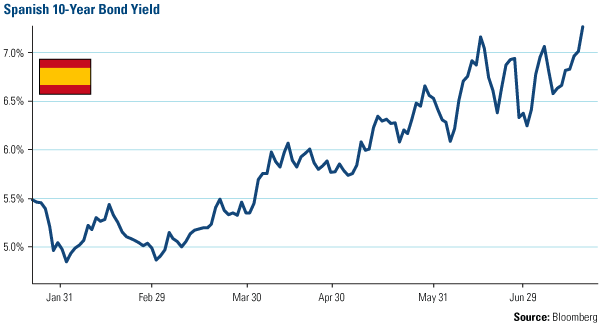
Treasury yields headed modestly lower again this week. Retail sales were much weaker than expected. Inflation and manufacturing data were more or less in line with expectations, while housing data was mixed. By Friday, European financial concerns had resurfaced as Spanish 10-year bond yields spiked above 7 percent and hit new highs. Spain indicated its recession will likely continue into next year. U.S. treasuries remain a safe haven for global investors, pushing yields lower this week.
Strengths
- Industrial production rose 0.4 percent, ahead of expectations and a bright spot in an otherwise lackluster week for economic data.
- Real estate lending in China jumped 20 percent year-over-year in the second quarter and already shows Chinese policy-makers are taking aggressive action to combat the ongoing global slowdown.
- Housing starts rose 6.9 percent in June and the National Association of Home Builders confidence index had its biggest increase since September 2002.
Weaknesses
- Retail sales fell 0.5 percent and have now fallen for three months in a row, which bodes very poorly for second-quarter GDP growth.
- The Conference Board’s Leading Index fell 0.3 percent in June, also indicating lackluster growth.
- Auto sales in the European Union fell 2.8 percent in June for the ninth consecutive monthly drop.
Opportunity
- With growth tepid, the Federal Reserve will not only remain accommodative, it may increase accommodation in the next few months.
Threat
- Europe remains a wildcard with the markets shifting focus on a weekly basis.